

JOIN US FOR THE 2nd ANNUAL DECOY CARVERS & COLLECTORS BANQUET
WELCOME TO THE HAVRE DE GRACE DECOY MUSEUM
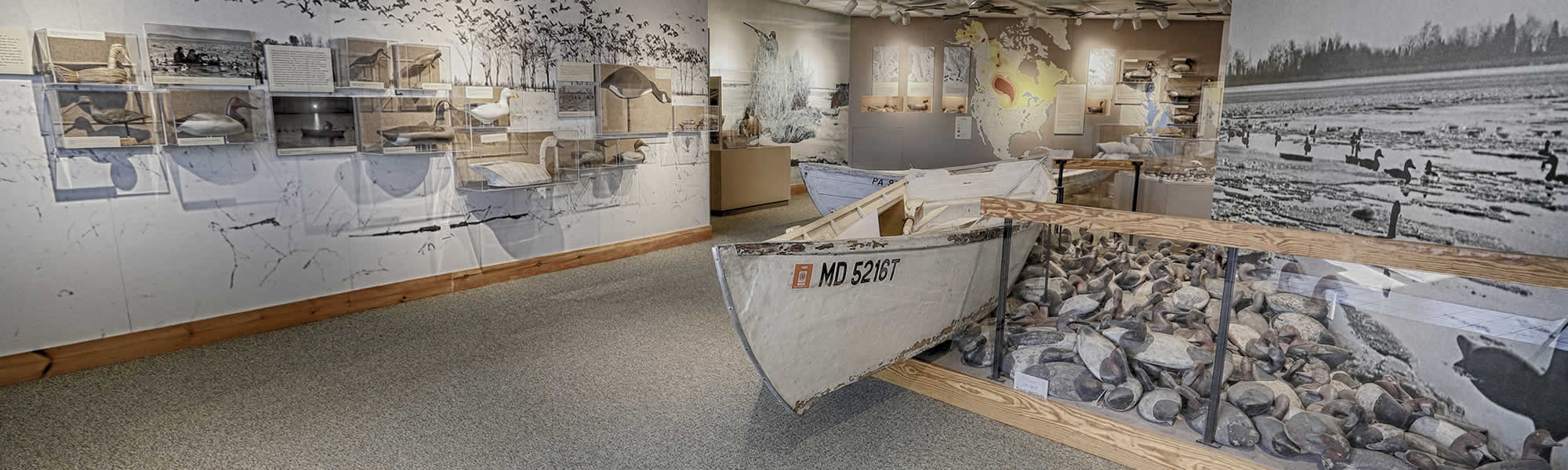
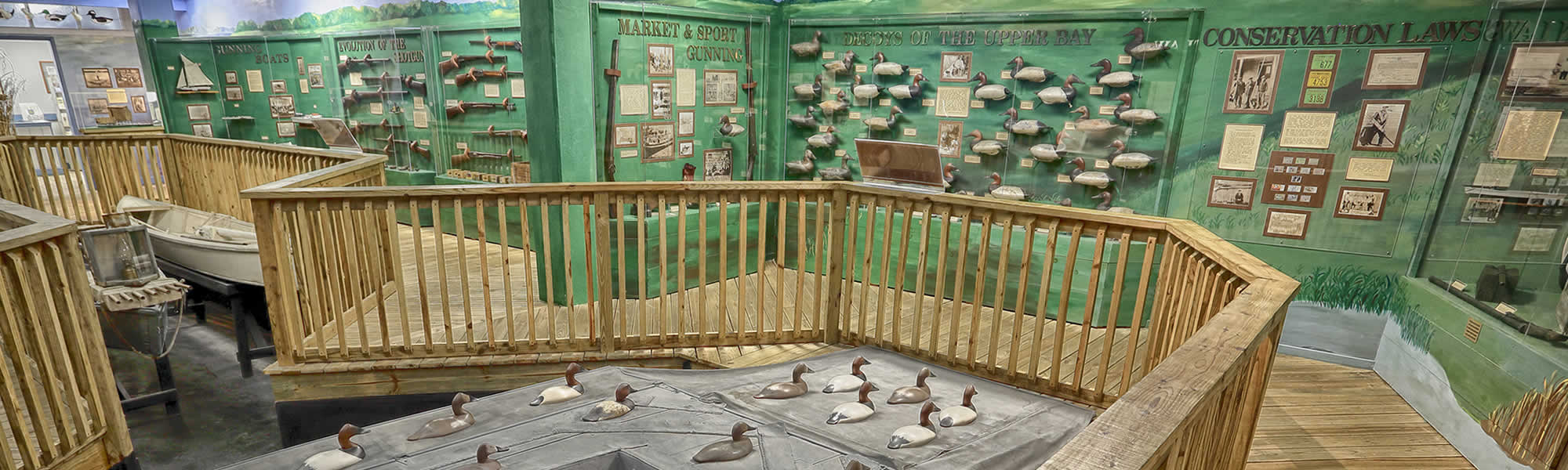
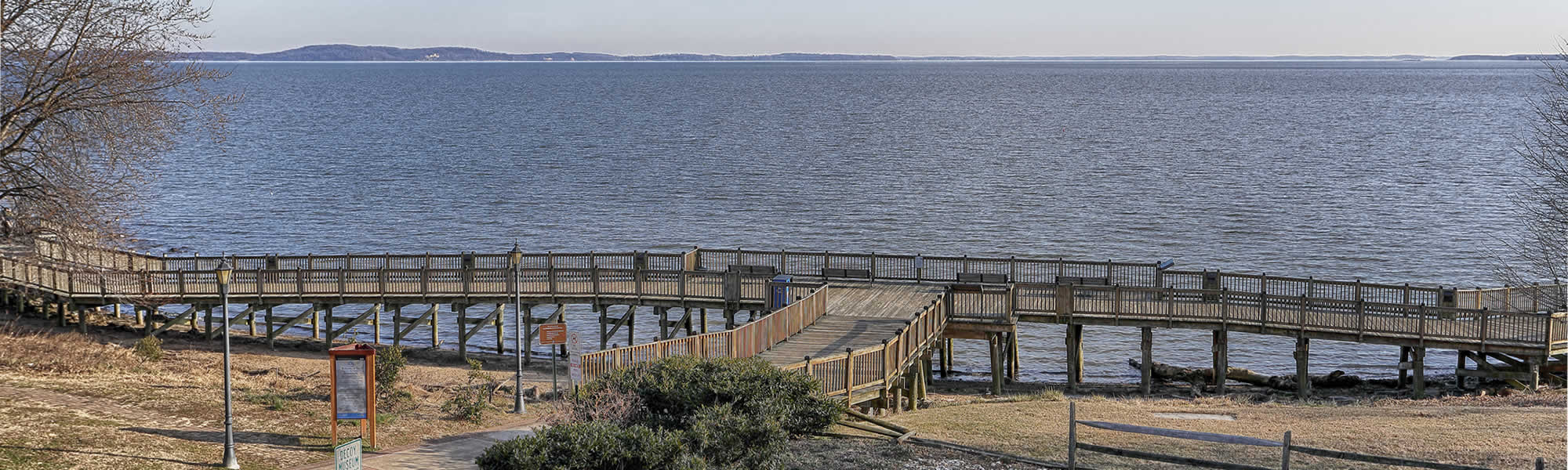
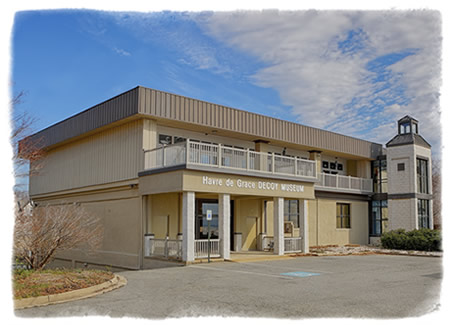 Located on the banks of the historic Susquehanna Flats, the Havre de Grace Decoy Museum houses one of the finest collections of working and decorative Chesapeake Bay decoys ever assembled. The museum was established in 1986 as a private, non-profit institution existing to preserve the historical and cultural legacy of waterfowling and decoy making on the Chesapeake Bay.
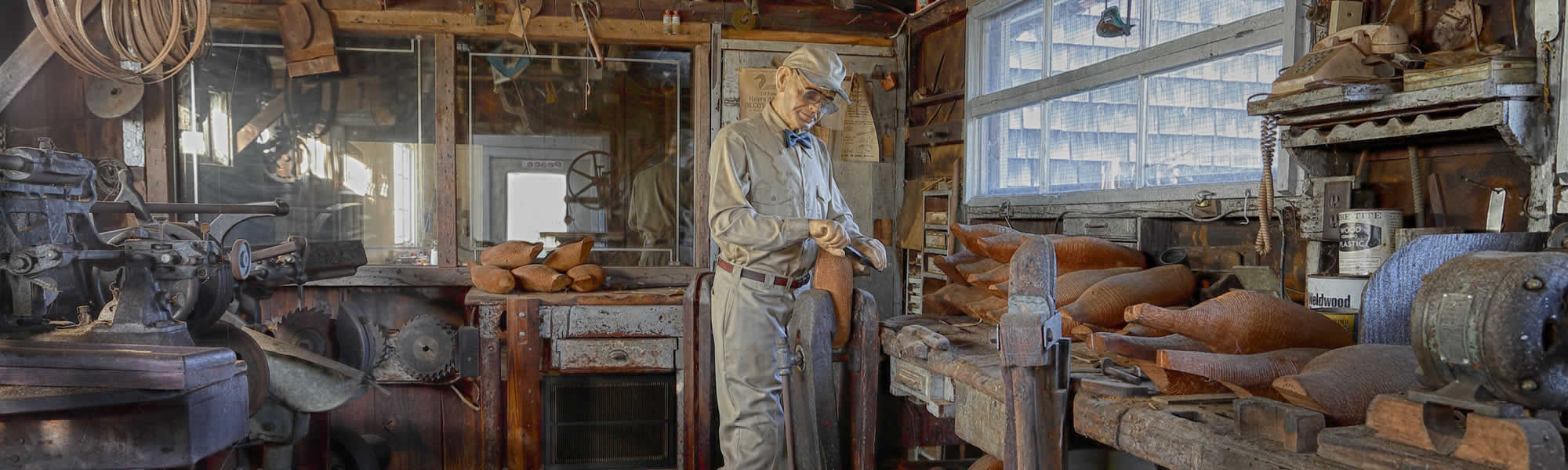
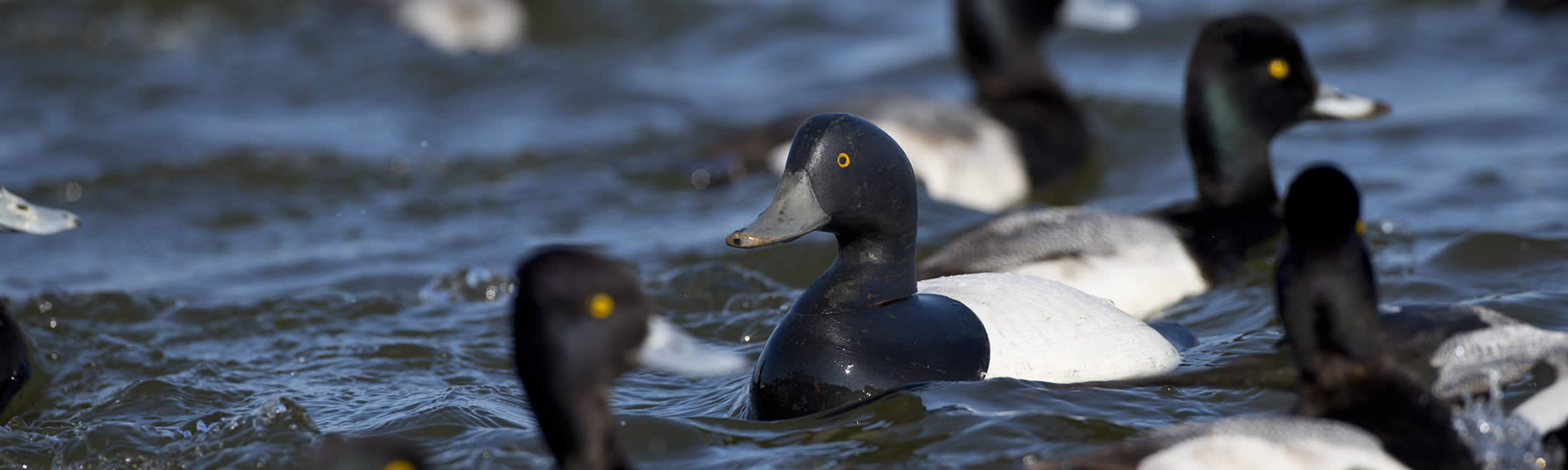
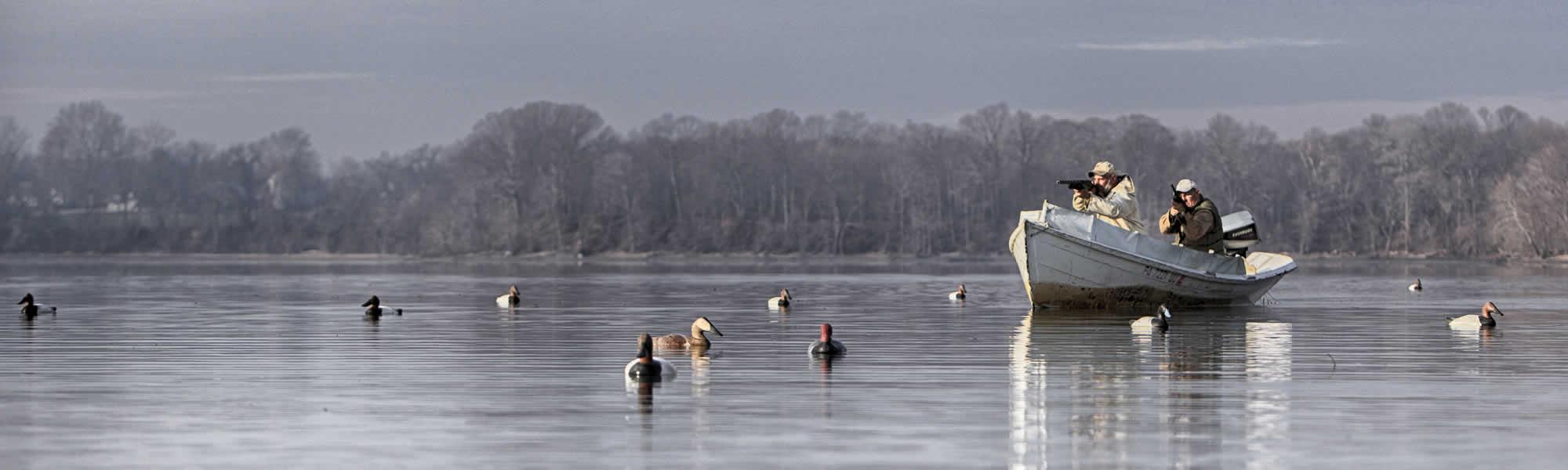
Decoys have been a central element of Chesapeake culture for centuries. In the beginning, they were made for one purpose — to lure waterfowl within range of the hunter’s shotgun. Decoys were simple, utilitarian representations of ducks and geese rough-hewn from wood. No one considered them art. Today, decoys lure far more people than waterfowl. One is perhaps more likely to find a decoy adorning a collector’s mantelpiece than floating in a hunter’s rig. Contemporary carvers produce sophisticated works of art with century-old skills that have been passed down from master to apprentice for generations.
We invite you to visit the Decoy Museum to discover the art of decoy making and the waterfowling traditions that truly make Havre de Grace the “Decoy Capital of the World!”
THANKS TO OUR SPONSORS

THE HAVRE DE GRACE DECOY CAM
WE ARE ON INSTAGRAM!
Who Doesn’t Love a Discount.
Decoy of the Day: This George Strunk Flying Plover is on display as a part of the New Jersey Shorebird exhibit in our upstairs gallery. While shorebirds are few and far between in Maryland, their abundance om the shores of New Jersey has inspired works of art like this Flying Plover. Come and see this and other incredible pieces before our Shorebird exhibit closes in October.
Decoy of the Day: These Whistling Swans by Oliver Lawson are currently on display in our Carvers Gallery. The detail in Lawson`s paint reflects his training under fellow Crisfield artists, the Ward Bros. Come and see these wonderful swans before the Oliver Lawson exhibit comes to an end in late October.
2nd Annual Decoy Carvers & Collectors Banquet Ticket
2nd Annual Decoy Carvers & Collectors Banquet Ticket
2026 Decoy Carvers & Collectors Banquet Patron
Calling All Decoy Carvers!
2026 Decoy Carvers & Collectors Banquet Benefactor
The “Super Duck” Raffle Package with a total value of $150.00 is only $100.00 until November 15, 2026, at 11:59pm. The price returns to $150.00 November 16, 2026.
https://decoymuseum.com/product/super-duck-raffle-package/
The “Super Duck” Raffle Package tickets will be used at the 2nd Annual Decoy Carvers & Collectors Dinner on December 5, 2026.
The “Super Duck” Raffle Package includes:
1 Mystery Gun Safe Raffle Ticket – $20.00 value
1 Pick of the Litter Raffle Ticket – $20.00 value
75 Buck Raffle Tickets – $50.00 value
3 Yeti of Cheer Raffle Tickets – $20.00 value
150 Ladies Raffle Tickets – $40.00 value See less

Celebrate the 40th Anniversary of the opening of the Havre de Grace Decoy Museum
$100/Person | Tables of 8 ($800.00)
Hosted by Havre de Grace Decoy Museum
December 5, 2026
6:00 pm – 10:00 pm
The Historic Wellwood Restaurant
523 Water Street
Charlestown, MD 21914
All proceeds from this event directly benefit the operational needs and continuance of the Havre de Grace Decoy Museum. Sponsorships are available.
All ticket transactions are electronic through decoymuseum.com.
https://decoymuseum.com/.../2025-inaugural-decoy-carvers.../
Each table purchased by Sunday, November 1, 2026, at 11:59 PM earns 1 chance in the “Quack Cash” drawing
A single table purchase earns 1 chance.
Additional chances earned for each table of 8 purchased.
The Quack Cash award will be credited to the bidder number of the person who purchased the table of eight.
Celebrate the 40th Anniversary of the opening of the Havre de Grace Decoy Museum
$100/Person | Tables of 8 ($800.00)
Hosted by Havre de Grace Decoy Museum
December 5, 2026
6:00 pm – 10:00 pm
The Historic Wellwood Restaurant
523 Water Street
Charlestown, MD 21914
All proceeds from this event directly benefit the operational needs and continuance of the Havre de Grace Decoy Museum. Sponsorships are available.
All ticket transactions are electronic through decoymuseum.com.
https://decoymuseum.com/.../2025-inaugural-decoy-carvers.../
Each table purchased by Sunday, November 1, 2026, at 11:59 PM earns 1 chance in the “Quack Cash” drawing
A single table purchase earns 1 chance.
Additional chances earned for each table of 8 purchased.
The Quack Cash award will be credited to the bidder number of the person who purchased the table of eight.
https://decoymuseum.com/product/2026-banquet-patron/
All Patrons will be recognized in the Banquet Program, on the Museum Website, and will receive a commemorative certificate as acknowledgement of the donation.
Every $250.00 in patronage earns a chance to win a pair of Bill Schauber miniature Pintail.
Diamond: $1000.00
Emerald: $500.00
Ruby: $250.00
Are you ready to take the Chesapeake Challenge at this year`s Crisfield Heritage Festival?
Presented by The Ward Foundation, the Chesapeake Challenge is a decades-old tradition celebrating the artistry, craftsmanship, and heritage of decoy carving. The competition features multiple categories, welcoming carvers of all skill levels.
The 2026 Contemporary Antique Bird is the Wood Duck—a beautiful and challenging subject that promises another exciting year of competition!
New contest format and updated YOUTH divisions! More information will be announced soon.
Whether you`re entering your first competition or you`re a seasoned carver, the Chesapeake Challenge is a wonderful opportunity to showcase your talent, connect with fellow artists, and celebrate the enduring tradition of decoy making.
We encourage everyone to attend the Crisfield Heritage Festival, support the talented carvers, and experience one of the Chesapeake region`s most anticipated carving competitions.
We look forward to seeing you there!
https://decoymuseum.com/product/inaugural-decoy-carvers-collectors-banquet-patron/
All Benefactors will be recognized in the Banquet Program, on the Museum Website, and will receive a commemorative plaque as acknowledgement of the donation during the event.
Outfitter: $5000.00
Guide: $2500.00
Sport: $1500.00